
This section brings together practical pet-health information to help owners understand preventive care, recognize concerning changes and know when veterinary attention may be needed. Our guides are written for general education and are not a substitute for examination or treatment by a veterinarian.
Our Editorial Policy explains how these guides are researched and reviewed.
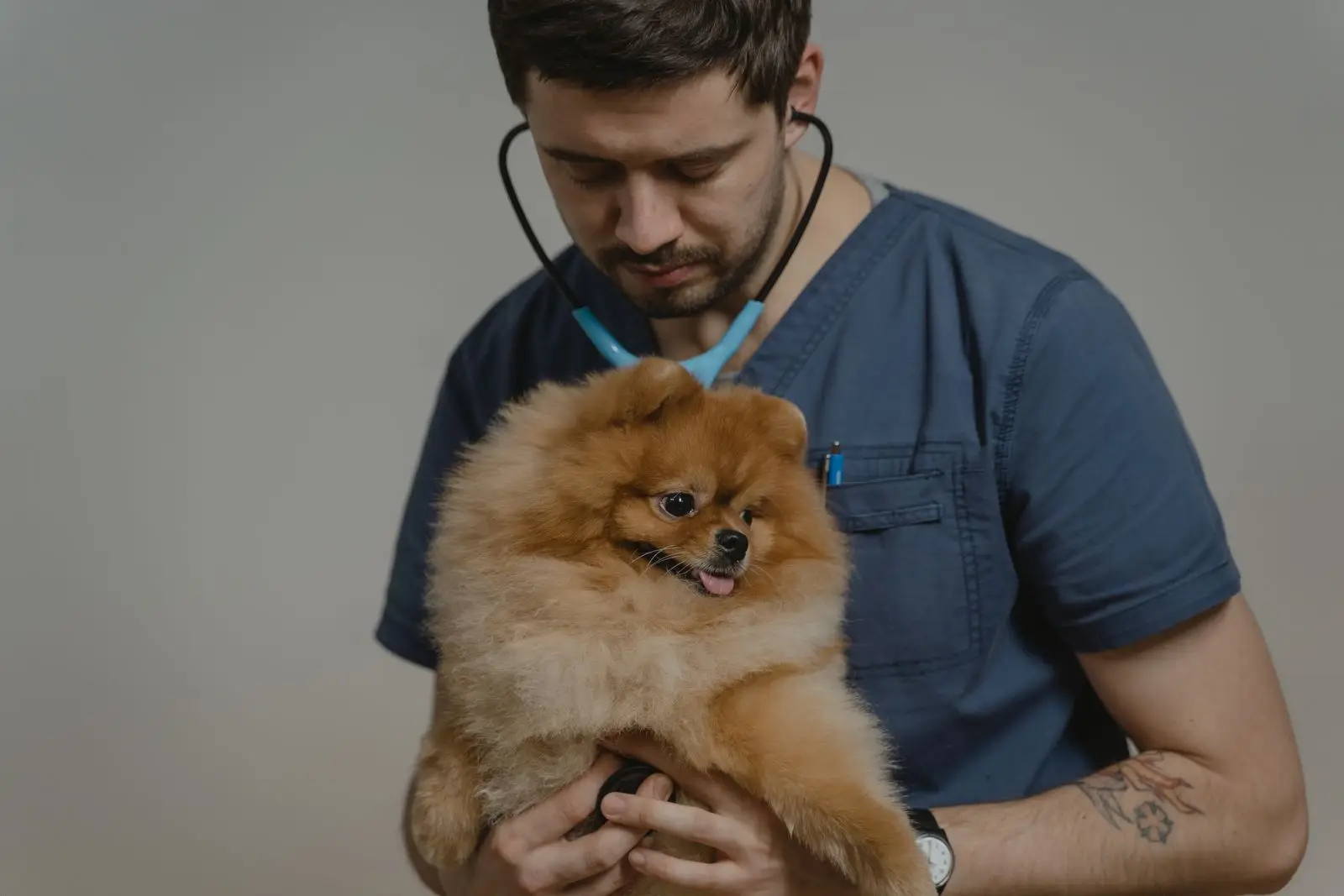
Browse Pet Health by Topic
- Preventive Care: vaccination, parasite prevention, routine check-ups, dental care and other aspects of preventive pet health.
- When to See a Vet: concerning symptoms, emergency warning signs and situations where veterinary attention should not be delayed.
- Everyday Symptoms: general information about changes such as vomiting, diarrhoea, appetite changes and behaviour changes.
- Life Stages: how health and preventive-care needs can change from puppy and kitten years through adulthood and senior care.
Pet health often overlaps with nutrition and everyday care. For feeding and diet-related questions, visit our Pet Food & Nutrition hub. For grooming, behaviour and everyday routines, explore Pet Care. We link between these sections where topics overlap rather than repeating the same information.
Where to Start With Preventive Pet Health
Preventive care starts with a routine that fits your pet’s species, age and individual needs. Keeping vaccinations and parasite prevention up to date, maintaining regular veterinary check-ups and paying attention to changes in weight, appetite, behaviour and dental health can help you identify problems earlier.
Your veterinarian can recommend an appropriate preventive-care schedule based on your pet’s age, lifestyle, health history and risk factors.
Frequently Asked Questions About Pet Health
How Often Should a Healthy Pet See a Veterinarian?
The appropriate frequency depends on your pet’s age, species, health, lifestyle and individual risk factors. Healthy adult pets may have routine examinations at intervals recommended by their veterinarian, while puppies, kittens, senior pets and animals with ongoing health concerns may need more frequent visits.
Which Symptoms Mean My Pet Needs Urgent Veterinary Care?
Difficulty breathing, collapse, seizures, heavy bleeding, suspected poisoning, severe heat-related illness, a swollen abdomen with repeated unproductive retching, or inability to urinate can be emergencies. When a pet appears seriously unwell or is rapidly deteriorating, seek veterinary advice promptly rather than relying on online information.
Is Preventive Care Important for Pets?
Preventive care can help veterinarians identify health changes earlier and reduce the risk of some preventable problems. Vaccination, parasite prevention, dental care, nutrition and routine examinations should be tailored to the individual pet.
What Changes in My Pet’s Health Should I Pay Attention To?
Changes in appetite, drinking, weight, activity, behaviour, breathing, digestion, urination or grooming habits can sometimes indicate an underlying problem. A persistent, severe or unexplained change is worth discussing with a veterinarian, especially if your pet is also showing other symptoms.
Can I Diagnose My Pet From Information Online?
No. Online information can help you understand general health topics and prepare questions for your veterinarian, but it cannot account for your pet’s examination findings, medical history, medications and individual circumstances. Diagnosis and treatment should come from a qualified veterinary professional.
Important: Pet Health Information
Pets Facts provides general educational information and does not diagnose or treat individual animals. Health decisions depend on the individual pet’s species, age, medical history, medications and examination findings. Use our guides to understand general topics and prepare questions for your veterinarian, not as a substitute for professional veterinary care.